
Market Observations
Slow and Steady Wins
Global economic conditions continue to progress at a steady, measured pace, defying repeated predictions of an imminent downturn. Although delays in official US data have blurred the view, alternative labour-market indicators suggest the economy is sturdier than many expect, with stress gauges and private-sector employment pointing to a mild easing rather than any significant weakening. Across major economies — the US, Europe, China and Japan — services activity remains in expansion, and consumer spending has held up despite ongoing uncertainty. Overall, the backdrop is neither booming nor faltering but quietly stable, with room for upside if confidence improves.
The New Gold Rush
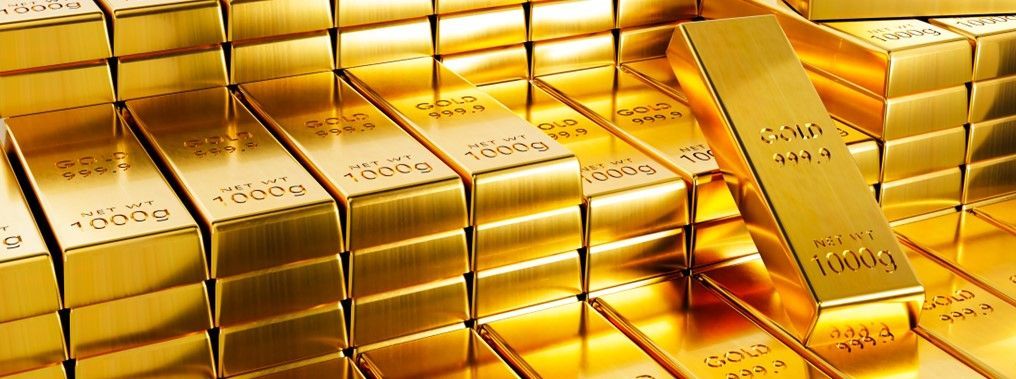
Gold’s rapid rise has become one of the standout market stories of recent years. Since early 2020, prices have jumped more than 170%, far ahead of most major asset classes and raising understandable questions about how long the rally can continue. Much of this strength, however, appears to come from lasting forces rather than short-term speculation. Central banks have become major, steady buyers as they reduce reliance on the US dollar and look for protection from geopolitical tensions, fiscal concerns and the growing use of financial sanctions. Many emerging-market countries have been especially active, and investment flows into gold ETFs have picked up again after several years of outflows, adding renewed support.
This rising demand meets a supply side that has struggled to keep pace. Gold mine output has plateaued after years of limited investment and increasing operational challenges, making it difficult to bring new supply to market quickly. Recycling — which often increases when prices rise — has only lifted slightly, leaving the overall supply of gold relatively tight. This imbalance has helped keep prices supported, even as occasional sharp pullbacks remind investors that gold can still be volatile.
In this environment, interest in gold from some investors has become more visible, particularly as shares and bonds have at times moved more in tandem. These features mean gold is often discussed as a potential diversifier, with a history of mixed behaviour during recessions, inflationary periods and geopolitical stress. It is also an asset with clear limitations — it produces no income, experiences periods of volatility and does not suit all investment approaches.
For these reasons, views on gold’s relevance vary widely, and its appeal ultimately depends on each investor’s circumstances, objectives and preferences. Our role is to remain aware of these evolving dynamics while ensuring portfolios continue to be positioned appropriately for their intended outcomes.